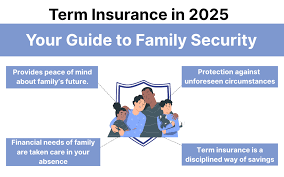
Health insurance has become one of the most important financial protections in today’s world. With rising medical costs, even a minor illness or hospital visit can put a significant strain on your finances. Health insurance acts as a safety net that helps cover medical expenses, ensuring you receive the necessary treatment without worrying about the cost.
In this comprehensive guide, we’ll explore what health insurance is, its benefits, different types, and smart tips to choose the right policy for you and your family.
What is Health Insurance?
Health insurance is a contract between an individual and an insurance company. In this agreement, the policyholder pays a regular premium, and in return, the insurance provider covers part or all of the medical expenses specified in the policy.
These expenses may include:
- Hospitalization costs
- Doctor consultations
- Prescription medicines
- Diagnostic tests
- Surgeries and treatments
- Preventive healthcare services
Health insurance ensures that unexpected medical emergencies do not lead to financial hardship.
Key Benefits of Health Insurance
1. Financial Protection Against Medical Costs
Healthcare treatments, surgeries, and hospital stays can be very expensive. Health insurance protects you from paying the full cost out of your pocket.
2. Access to Quality Healthcare
Most health insurance providers have network hospitals, allowing policyholders to receive treatment at reputable healthcare facilities.
3. Cashless Hospitalization
Many insurance policies offer cashless treatment, meaning the insurance company pays the hospital directly, reducing financial stress during emergencies.
4. Coverage for Critical Illnesses
Certain policies provide coverage for serious illnesses such as:
- Cancer
- Heart disease
- Kidney failure
- Stroke
This coverage can help with long-term treatment expenses.
5. Preventive Care Services
Health insurance often includes preventive services like:
- Annual health check-ups
- Vaccinations
- Wellness programs
Preventive care helps detect health issues early and reduces long-term medical costs.
Types of Health Insurance Plans
Understanding the different types of health insurance plans helps you choose the one that best suits your needs.
1. Individual Health Insurance
This policy covers only one individual. The coverage amount is dedicated solely to the insured person.
Best for:
- Single individuals
- Freelancers or self-employed professionals
2. Family Floater Health Insurance
A family floater policy covers multiple family members under one plan with a shared coverage limit.
Benefits:
- Cost-effective
- One premium for the whole family
- Easier policy management
3. Employer-Sponsored Health Insurance
Many companies offer health insurance to their employees as part of their benefits package.
Advantages:
- Lower or no premium for employees
- Coverage for dependents in some cases
However, this coverage usually ends if you leave the job.
4. Critical Illness Insurance
This type of insurance provides a lump-sum payout if the policyholder is diagnosed with a specific serious illness covered by the policy.
Common illnesses covered include:
- Cancer
- Heart attack
- Organ transplant
- Paralysis
5. Senior Citizen Health Insurance
These plans are designed specifically for individuals above 60 years of age. They provide coverage for age-related illnesses and treatments.
Important Health Insurance Terms You Should Know
Before buying health insurance, it is important to understand some common terms:
Premium:
The amount you pay regularly (monthly or yearly) to maintain your policy.
Deductible:
The amount you must pay out of pocket before the insurance company starts covering expenses.
Co-payment:
The percentage of medical expenses you must pay while the insurance company pays the rest.
Network Hospital:
Hospitals that have an agreement with your insurance company for cashless treatment.
Waiting Period:
The time during which certain illnesses are not covered after purchasing the policy.
Smart Tips for Buying Health Insurance
Choosing the right health insurance policy requires careful consideration. Here are some expert tips to help you make the best decision.
1. Assess Your Healthcare Needs
Consider factors such as:
- Age
- Family medical history
- Lifestyle
- Existing health conditions
This helps determine the coverage amount you need.
2. Compare Different Insurance Plans
Never buy the first plan you see. Compare multiple policies based on:
- Coverage benefits
- Premium cost
- Claim settlement ratio
- Hospital network
3. Check the Waiting Period
Some diseases have waiting periods ranging from 1–4 years. Always review this clause before purchasing a policy.
4. Look for Comprehensive Coverage
Choose a plan that covers:
- Hospitalization
- Pre and post hospitalization
- Ambulance charges
- Daycare procedures
A comprehensive plan ensures better protection.
5. Read the Policy Exclusions
Every health insurance policy has exclusions. Common exclusions include:
- Cosmetic procedures
- Certain pre-existing conditions (initially)
- Experimental treatments
Understanding exclusions prevents surprises during claims.
6. Choose Adequate Coverage Amount
With rising healthcare costs, experts recommend choosing coverage of at least 5–10 times your annual income, depending on your region and healthcare system.
Common Mistakes to Avoid When Buying Health Insurance
Many people make costly mistakes when selecting health insurance.
Avoid these common errors:
- Choosing the cheapest plan instead of the best coverage
- Ignoring policy exclusions
- Not checking claim settlement history
- Delaying insurance purchase until health problems arise
- Underestimating required coverage
Buying insurance early often means lower premiums and better coverage options.
Why Health Insurance is Essential Today
Medical inflation continues to rise worldwide. A single hospitalization can cost thousands of dollars, making health insurance a necessity rather than a luxury.
Health insurance provides:
- Financial security
- Peace of mind
- Access to better healthcare
- Protection for your family’s future
By investing in the right health insurance plan, you protect both your health and financial stability.
Final Thoughts
Health insurance is one of the most important investments you can make for yourself and your family. Understanding the benefits, different types of plans, and smart buying strategies helps you choose the right policy with confidence.
Instead of waiting for a medical emergency, take a proactive approach and secure a health insurance plan that meets your needs today.
A well-chosen policy not only saves money but also ensures that quality healthcare is always within reach.
✅ Pro Tip for Readers:
Before purchasing any health insurance plan, always read the policy documents carefully and consult a financial advisor if needed. The right policy today can protect you from major financial stress tomorrow.
If you’d like, I can also help you with:
- SEO meta title, meta description, and keywords
- Internal linking structure for blog ranking
- FAQ schema section for Google rich results
- 1500–2000 word extended version for higher SEO ranking.