Property insurance is one of the most critical safeguards for homeowners, renters, and property investors. Understanding the nuances of coverage, cost, and benefits can help you maximize your policy and ensure your property is well-protected. This guide breaks down everything you need to know to make informed insurance decisions.
What is Property Insurance?
Property insurance is a type of insurance policy designed to protect your physical assets—such as your home, personal belongings, or investment property—from unexpected events like fire, theft, natural disasters, or vandalism. It acts as a financial safety net, giving you peace of mind and protecting your investments from unforeseen losses.
Types of Property Insurance
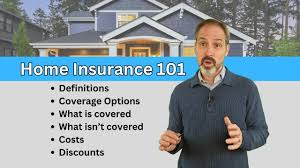
- Homeowners Insurance – Covers damage to your home and personal property, as well as liability protection.
- Renters Insurance – Protects personal belongings in a rented property and provides liability coverage.
- Landlord Insurance – Safeguards rental property, including structure, lost rental income, and liability claims.
- Commercial Property Insurance – Designed for businesses, covering buildings, equipment, and inventory.
Key Coverage Areas in Property Insurance
Understanding the components of property insurance is essential to maximizing your policy. Common coverage areas include:
- Structural Coverage – Protects the physical structure of your home or building from covered perils like fire or storm damage.
- Personal Property Coverage – Insures your belongings such as furniture, electronics, and clothing.
- Liability Protection – Covers legal expenses if someone is injured on your property.
- Additional Living Expenses (ALE) – Pays for temporary living costs if your home becomes uninhabitable.
- Optional Add-Ons – Include flood insurance, earthquake coverage, or identity theft protection, depending on your needs.
How to Maximize Your Property Insurance Coverage
Maximizing property insurance involves selecting the right coverage and ensuring your policy reflects your property’s value accurately. Here are some strategies:
- Assess Your Property Value Regularly – Ensure your coverage limits align with current replacement costs, not purchase price.
- Bundle Policies – Combine home, auto, and other insurance with the same provider for discounts.
- Increase Deductibles for Lower Premiums – Higher deductibles can reduce premiums while maintaining essential coverage.
- Document Valuables – Keep an updated inventory of your possessions with photos and receipts.
- Consider Additional Riders – Protect high-value items like jewelry, art, or electronics with scheduled personal property endorsements.
Factors That Influence Property Insurance Cost
Insurance premiums are influenced by multiple factors. Understanding these can help you optimize cost without sacrificing coverage:
- Location – Areas prone to floods, earthquakes, or wildfires may have higher premiums.
- Property Age and Condition – Older homes or properties with outdated systems may cost more to insure.
- Coverage Limits and Deductibles – Higher coverage limits increase cost, while higher deductibles lower premiums.
- Claim History – Previous claims can impact premium rates.
- Security Features – Alarm systems, fire sprinklers, and reinforced doors can lower insurance costs.
Benefits of Comprehensive Property Insurance
Investing in the right property insurance policy offers several long-term benefits:
- Financial Security – Protects your investments from unexpected damages.
- Peace of Mind – Reduces stress knowing you are protected against unforeseen events.
- Legal Protection – Liability coverage protects you against lawsuits from injuries on your property.
- Support During Emergencies – Additional living expenses coverage ensures minimal disruption if you cannot live in your home.
- Customizable Options – Policies can be tailored to fit unique needs, providing comprehensive coverage for high-value items.
Tips for Choosing the Right Property Insurance
- Compare multiple providers for coverage, cost, and customer service.
- Check for exclusions and ensure coverage includes likely local risks.
- Ask about discounts for bundling, security upgrades, or claim-free history.
- Review policies annually to adjust coverage as property value or needs change.
Conclusion
Maximizing your property insurance means more than just purchasing a policy—it involves understanding coverage, managing costs wisely, and leveraging benefits to protect your investment. By staying informed and proactive, you can secure comprehensive protection while optimizing your insurance spend.
Start by reviewing your current policy today and explore ways to enhance your coverage, ensuring your property and belongings are fully safeguarded.
SEO Keywords Integrated: property insurance, homeowners insurance, renters insurance, insurance coverage, insurance cost, insurance benefits, maximize property insurance, property protection, insurance policy tips, property insurance coverage.
If you want, I can also create a version optimized for high click-through with meta description, subheaders for featured snippets, and internal linking structure to boost SEO further. This version can help your article rank on Google’s first page.
Do you want me to do that next?