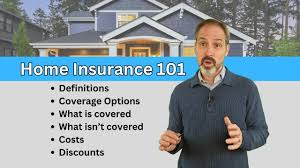
Choosing the right property insurance policy is a critical decision for homeowners and property investors alike. With so many options available, it’s easy to feel overwhelmed. The right policy not only protects your investment but also provides peace of mind in case of unexpected events. Here are some top tips to help you select the most suitable property insurance policy.
1. Understand Your Coverage Needs
Before comparing policies, assess what kind of coverage you need. Property insurance typically covers:
- Structural damage – protection against fire, storms, or natural disasters.
- Personal belongings – coverage for furniture, electronics, and valuables.
- Liability protection – protection if someone is injured on your property.
Consider whether you need additional coverage for risks like floods, earthquakes, or theft, which are often excluded in standard policies.
2. Evaluate the Policy Types
There are various types of property insurance policies:
- HO-1 to HO-8 policies – tailored for different levels of coverage, from basic to comprehensive.
- Landlord insurance – for rental properties to protect both the building and liability.
- Condo insurance – focuses on the interior of the unit and personal property.
Understanding these types will help you select a policy aligned with your property type and risk factors.
3. Check the Policy Limits and Deductibles
When reviewing insurance options, pay close attention to:
- Policy limits – the maximum amount the insurer will pay for a claim. Ensure it covers the full replacement cost of your property and valuables.
- Deductibles – the amount you pay out-of-pocket before insurance kicks in. Higher deductibles can lower premiums, but ensure they are affordable.
Balancing coverage limits and deductibles is essential for both protection and budget management.
4. Compare Premiums and Discounts
While price shouldn’t be the only factor, it’s important to compare premiums across insurers. Look for discounts that can reduce your premium, such as:
- Bundling home and auto insurance.
- Installing security systems or smoke detectors.
- Maintaining a claims-free history.
Always ensure that a lower premium doesn’t compromise necessary coverage.
5. Research the Insurance Company’s Reputation
A strong insurer ensures your claims are handled efficiently. Check:
- Customer reviews and ratings.
- Claim settlement history.
- Financial stability ratings from agencies like AM Best or Standard & Poor’s.
A reputable company can make a significant difference in stressful situations.
6. Understand Policy Exclusions
Every policy has exclusions—situations or damages it won’t cover. Common exclusions include:
- Flood or earthquake damage (often requires separate policies).
- Wear and tear or maintenance issues.
- Certain high-value items without additional coverage.
Reading the fine print carefully prevents surprises when you need to make a claim.
7. Consult an Insurance Expert
If you’re unsure which policy fits your needs, consulting an insurance agent or broker can be invaluable. Experts can:
- Explain coverage options in detail.
- Recommend policies tailored to your property and location.
- Help you optimize coverage while managing costs.
Final Thoughts
Choosing the right property insurance policy is about balancing coverage, cost, and peace of mind. By understanding your needs, comparing policies, and working with reputable insurers, you can ensure your property is well-protected against unexpected risks.
Taking the time to carefully select the right policy today can save you significant stress and financial loss tomorrow.
For SEO optimization:
- Keywords included: property insurance, property insurance policy, homeowners insurance, insurance coverage, insurance company, insurance premium.
- Meta description suggestion: “Discover top tips for choosing the right property insurance policy to protect your home, belongings, and investment. Learn how to select coverage, compare premiums, and avoid common pitfalls.”
- Internal linking opportunity: Link to pages about home security tips, insurance claim guides, or financial planning.
If you want, I can also create a catchy, SEO-friendly intro and conclusion with power words that improve click-through rates for Google searches. That version would be even more optimized for ranking.
Do you want me to do that?