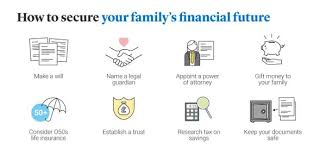
Life insurance is one of the most important financial tools for protecting your family’s future. Yet many people avoid buying it because they find it confusing or believe it’s only necessary later in life. The truth is that understanding life insurance early can help you make smarter financial decisions and ensure your loved ones remain financially secure if something unexpected happens.
This beginner’s guide to life insurance will explain what life insurance is, how it works, the different types available, and the key factors you should consider before buying a policy.
What Is Life Insurance?
Life insurance is a contract between you and an insurance company. In exchange for regular payments called premiums, the insurance company promises to pay a death benefit to your chosen beneficiaries if you pass away during the policy period.
This payout can help your family cover essential expenses such as:
- Daily living costs
- Mortgage or rent payments
- Education expenses
- Outstanding debts
- Funeral and medical costs
Simply put, life insurance acts as a financial safety net for your loved ones.
Why Life Insurance Is Important
Many people underestimate the financial impact their absence could have on their family. Life insurance helps reduce that risk by providing financial support when it is needed the most.
Here are some key reasons why life insurance is important:
1. Financial Protection for Your Family
If you are the primary earner, your income supports your household. Life insurance ensures that your family can maintain their standard of living even after you are gone.
2. Debt Protection
Your debts don’t disappear after your death. Life insurance can help your family pay off loans, credit cards, or mortgages without financial stress.
3. Education for Children
Life insurance can help secure funds for your children’s education, ensuring their dreams are not disrupted.
4. Business Continuity
If you own a business, life insurance can protect partners and employees by providing financial stability.
Types of Life Insurance
Understanding the different types of life insurance will help you choose the policy that best fits your needs.
1. Term Life Insurance
Term life insurance provides coverage for a specific period, usually 10, 20, or 30 years.
Key Features:
- Lower premiums
- Simple structure
- Ideal for temporary financial responsibilities
If the policyholder dies within the term, beneficiaries receive the payout. If the term ends, coverage stops unless the policy is renewed.
2. Whole Life Insurance
Whole life insurance provides lifetime coverage and includes a savings component called cash value.
Key Features:
- Lifetime protection
- Cash value accumulation
- Fixed premiums
However, it is generally more expensive than term life insurance.
3. Universal Life Insurance
Universal life insurance offers flexible premiums and adjustable death benefits.
Key Features:
- Flexible payments
- Potential investment growth
- Lifetime coverage
This policy is often chosen by individuals looking for both protection and financial planning benefits.
How Much Life Insurance Do You Need?
Determining the right amount of life insurance is crucial. A common guideline is to purchase coverage equal to 10 to 15 times your annual income.
However, you should also consider:
- Current debts
- Mortgage balance
- Children’s education costs
- Daily living expenses
- Future financial goals
Many financial experts recommend calculating your Human Life Value (HLV) to determine the exact coverage needed.
Factors That Affect Life Insurance Premiums
Several factors influence how much you will pay for life insurance.
Age
Younger individuals usually get lower premiums because they pose less risk to insurers.
Health Condition
Your medical history, weight, and lifestyle habits affect the premium rate.
Lifestyle
Smoking, risky hobbies, and dangerous occupations may increase premiums.
Coverage Amount
The higher the coverage amount, the higher the premium.
Policy Type
Permanent policies like whole life insurance are usually more expensive than term policies.
Tips for Choosing the Right Life Insurance Policy
Buying life insurance is a long-term financial commitment. Keep these tips in mind before making a decision:
Compare Multiple Policies
Always compare different insurance providers to find the best coverage and price.
Understand Policy Terms
Carefully read policy documents to understand exclusions, benefits, and conditions.
Choose the Right Coverage Duration
Your policy term should align with your financial responsibilities, such as until your children become financially independent.
Check the Insurance Company’s Reputation
Select a financially strong and reputable insurance provider.
Avoid Over-Insurance
Buying excessive coverage can strain your finances unnecessarily.
Common Life Insurance Mistakes to Avoid
Many first-time buyers make mistakes that can reduce the effectiveness of their coverage.
Avoid these common errors:
- Waiting too long to buy insurance
- Choosing the cheapest policy without understanding coverage
- Not updating beneficiaries
- Underestimating future expenses
- Hiding medical information during application
Being honest and informed ensures your family receives the full benefit of your policy.
When Is the Best Time to Buy Life Insurance?
The best time to buy life insurance is as early as possible. Premiums are significantly cheaper when you are young and healthy.
Major life events that signal the right time to purchase life insurance include:
- Getting married
- Having children
- Buying a home
- Starting a business
- Becoming the primary family earner
Starting early not only saves money but also guarantees financial protection for your loved ones.
Final Thoughts
Life insurance is more than just a financial product—it’s a commitment to protecting your family’s future. By understanding how life insurance works, the types of policies available, and the factors that affect premiums, you can make an informed decision that fits your financial goals.
For beginners, term life insurance is often the most affordable and straightforward option. However, the right policy ultimately depends on your personal needs, financial responsibilities, and long-term plans.
Taking the time to research and plan today can provide peace of mind and long-term security for the people who matter most in your life.